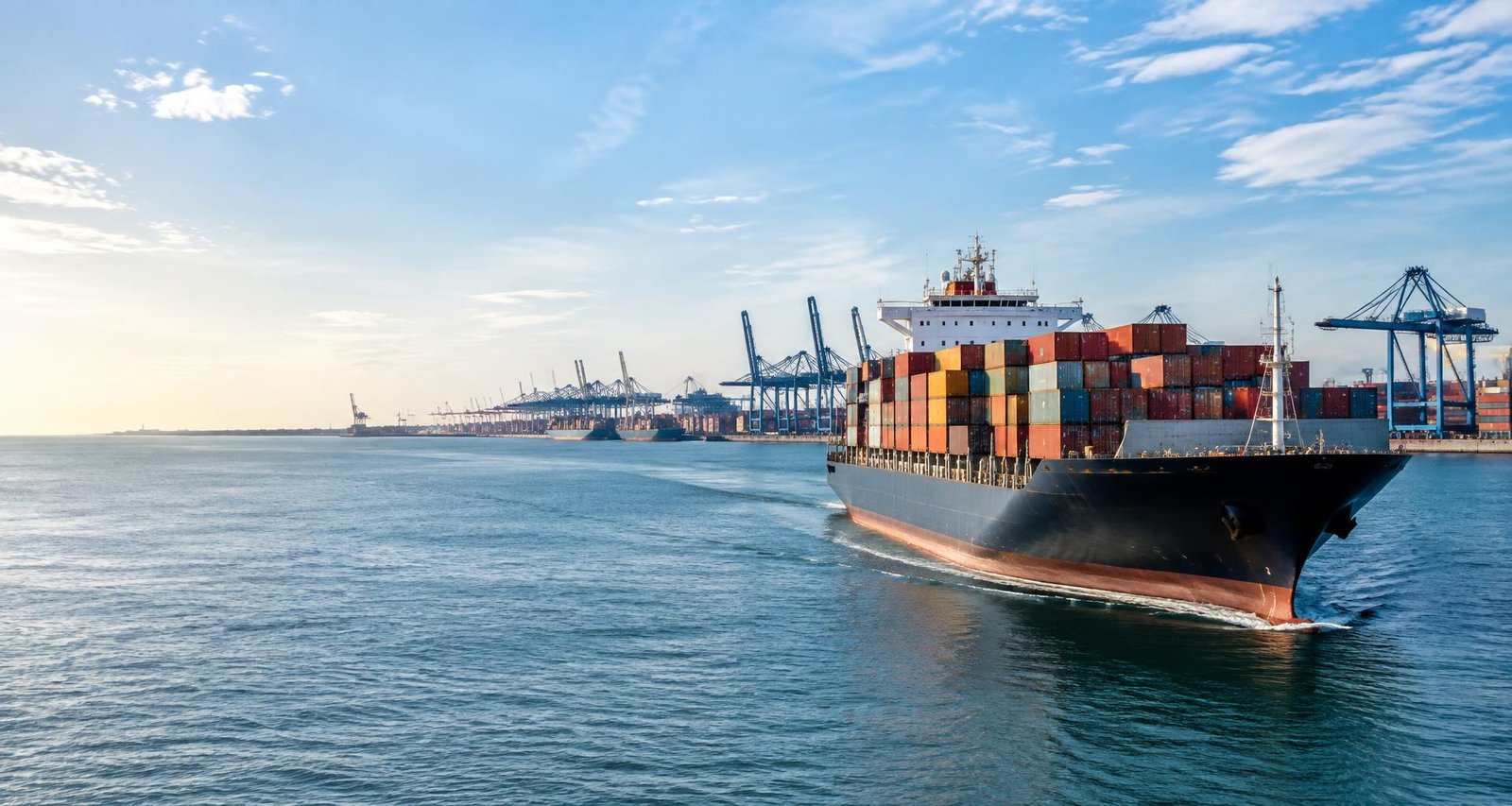
Container vessel approaching a working seaport with gantry cranes and stacked shipping containers

Sea Freight

A considered ocean journey for your shipment

Bring cargo volume, container requirements and port-to-port considerations together before shaping your sea freight plan.

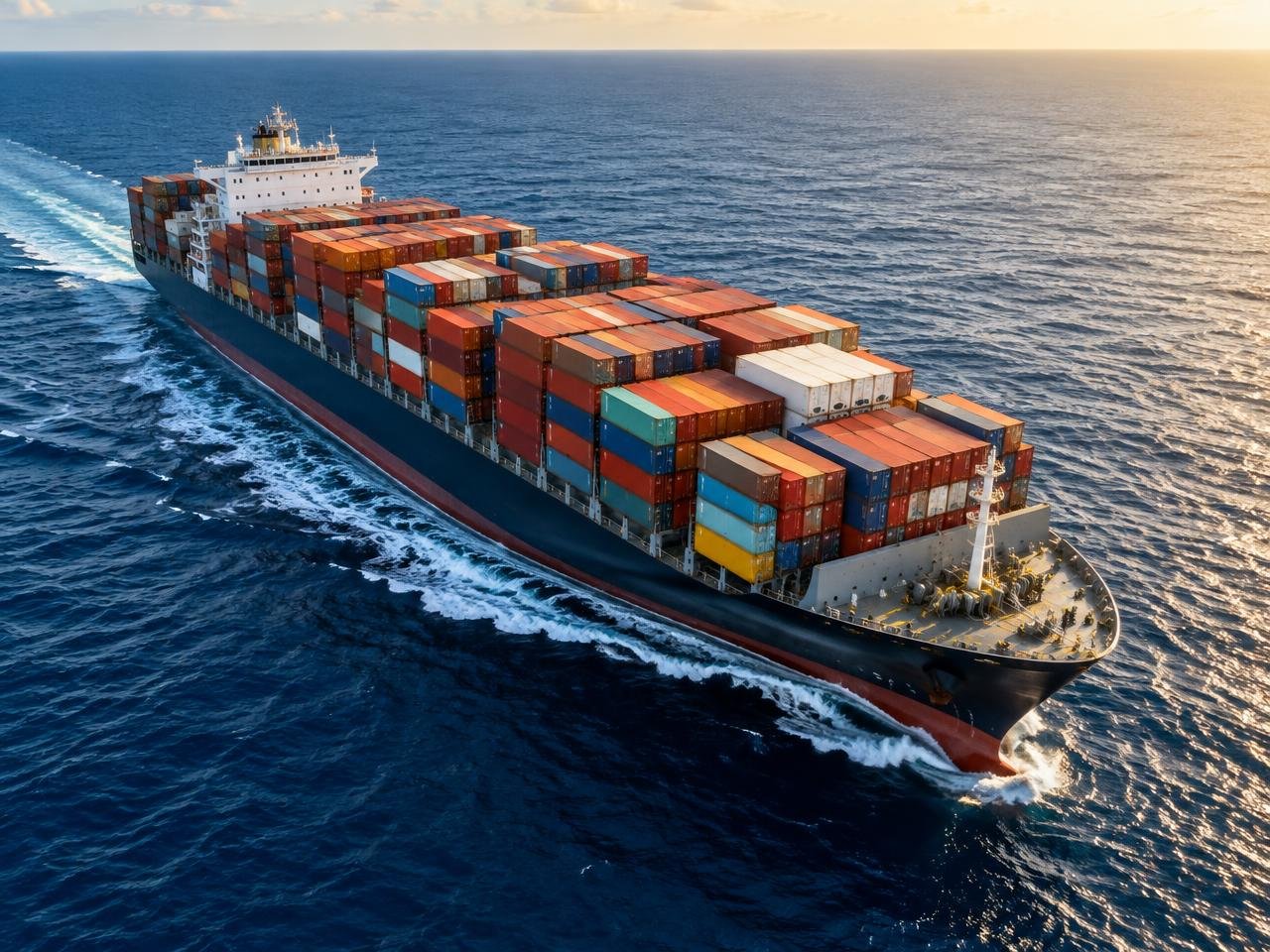
Loaded container ship sailing across the open ocean
Sea Freight at MZ Global

Ocean freight, planned around the bigger picture

A sea freight decision connects cargo requirements with a longer transport journey. The right starting point is a clear understanding of volume, preparation and the ports involved.

MZ Global Logistics & Transportation helps businesses coordinate sea freight according to their shipment requirements. We bring cargo information, proposed origin and destination ports, and commercial priorities into a practical planning discussion.

Container requirements are not just a question of how much you are shipping. Packed dimensions, weight, handling needs and the nature of the goods can influence which transport options should be explored. Clear information makes that comparison more meaningful.

We also look beyond the ocean leg. Cargo readiness, documentation preparation and onward collection or delivery can affect the wider journey. Our approach is to clarify these dependencies, discuss the available choices and keep the questions that need confirmation visible.

Shipment considerations

The details that shape your plan

Sea freight planning brings several connected decisions into focus. These are the topics that help turn an initial enquiry into a useful discussion.

Cargo volume and preparation

Provide piece count, packed dimensions, gross weight and estimated total volume where known. Describe packaging, stackability and any handling sensitivities. Accurate cargo information supports a more informed discussion of space and preparation requirements.

Container options: FCL and LCL

FCL, or full container load, involves a container allocated to one shipment; LCL, or less than container load, involves sharing container space with other shipments. These are transport options to discuss in relation to cargo volume, compatibility and timing—not an assumption that either option suits or is available for every enquiry.

Origin and destination ports

Share your proposed ports and the actual collection and receiving locations. Discuss whether connecting road movements are part of the requirement and clarify the handovers involved. Port choice needs to be reviewed in the context of the complete journey.

Documentation and timing

Cargo descriptions, invoices, packing information and transport documents are planning topics to review with the relevant parties. Requirements vary by goods and journey. Cargo readiness, booking cut-offs, port handling and potential connections all matter when discussing timing.

Our coordination approach

Connecting the details across the ocean journey

We start by understanding the commercial purpose of your shipment and the cargo you need to move. From there, the discussion considers container needs, proposed ports and the preparation required before an option can be assessed. Where information is incomplete, we identify what should be clarified next.

Sea freight involves handovers and dependencies that deserve careful communication. We help bring the customer's requirements into a structured conversation about cargo readiness, documentation questions and onward arrangements. Any proposed timing or transport option should be reviewed against the specific shipment before decisions are made.

Options explained in context

Container and consolidation discussions are tied to your cargo, rather than presented as a universal solution.

Preparation before assumptions

Documentation questions, readiness and handover responsibilities stay part of the planning conversation.

From enquiry to a considered plan

Four steps to a clearer conversation

A structured starting point, with your shipment requirements at the centre.

  1. Share your cargo profile

    Provide the goods description, packaging, weight, dimensions and volume, plus any special handling needs.

  2. Outline the journey

    Tell us your proposed ports, collection and receiving locations, cargo readiness and timing priorities.

  3. Discuss transport options

    Review container requirements, FCL or LCL suitability, documentation questions and the proposed handovers.

  4. Confirm the planning details

    Clarify outstanding information, responsibilities and next steps before progressing the shipment enquiry.

Helpful answers

Sea Freight FAQs

Practical points to consider before your enquiry. For questions about a specific shipment, share the details with our team.

Discuss your shipment
What is the difference between FCL and LCL?

FCL means full container load: a container is allocated to one shipment. LCL means less than container load: goods share container space with other shipments. Which option is appropriate depends on cargo volume, handling requirements, compatibility and the arrangements available. We discuss these as options, not as a promise of suitability or availability.

What cargo information is useful for a sea freight quote?

Share the description of the goods, number of packages, packed dimensions, gross weight and volume where available. Include proposed origin and destination ports, collection and receiving locations, readiness date and any packaging or handling requirements. Let us know if you are still comparing container options.

Which documentation should I prepare?

A commercial invoice and packing list are common starting points, while transport documents and other requirements depend on the cargo and journey. The necessary details should be confirmed with the relevant parties. Discussing documentation does not imply that MZ Global acts as a customs broker or provides regulatory clearance.

What should I consider when discussing sea freight timing?

Consider cargo readiness, documentation preparation, booking and port requirements, the proposed ocean journey and any onward transport. Connections and operational conditions can affect the plan. Share your business deadline so expectations can be discussed; no fixed sailing schedule or guaranteed arrival is implied.

Let’s talk about your shipment

Give your ocean shipment a clearer starting point

Tell us about your cargo volume, proposed ports and timing priorities. We’ll help frame the questions and transport options for a considered sea freight discussion.

Request a Quote