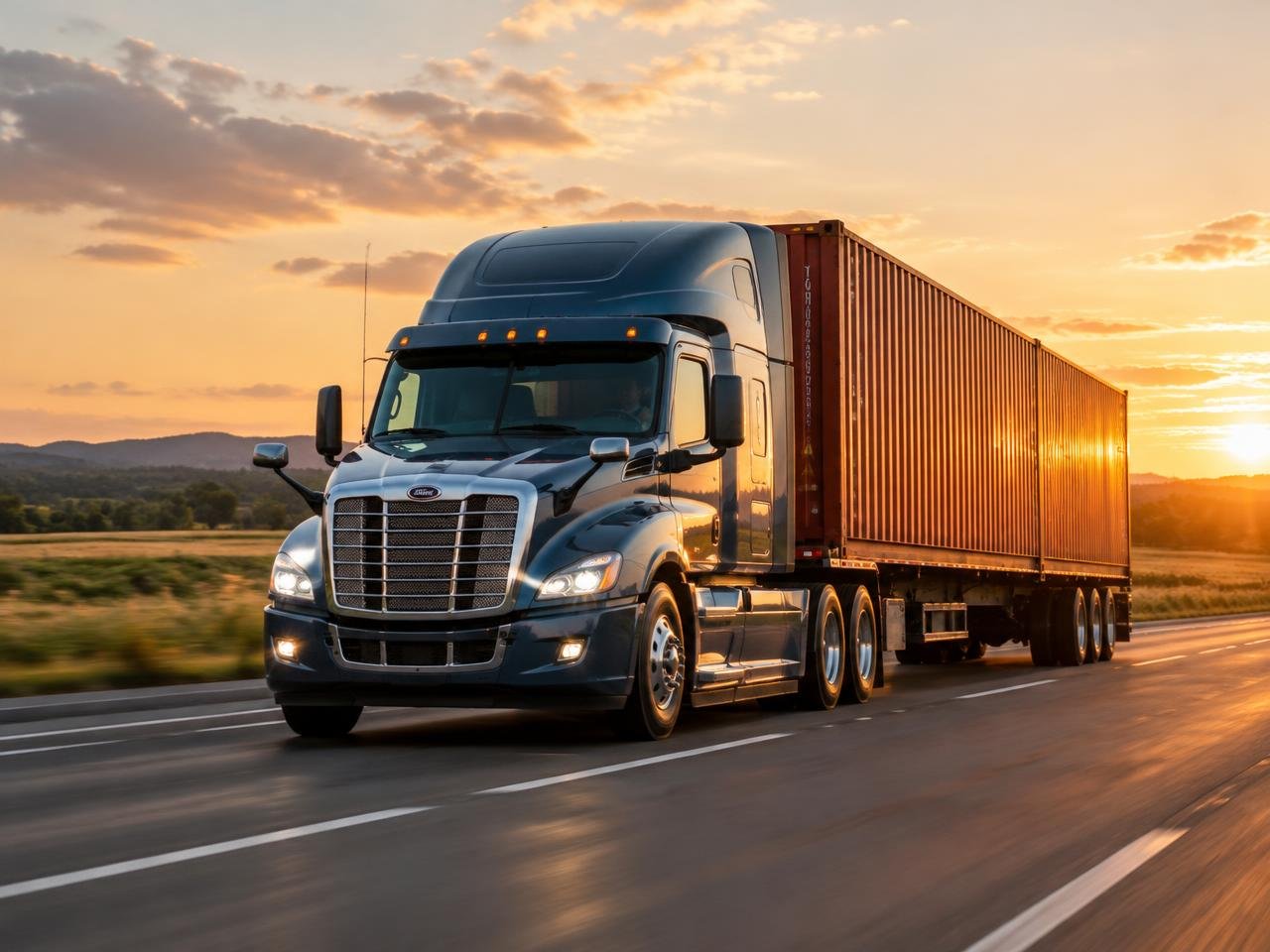
White road freight truck with a blue container trailer travelling beside a container terminal

Land Freight

Road transport planning, built around your cargo

From pickup requirements to delivery instructions, bring the details of your road shipment into one considered plan.

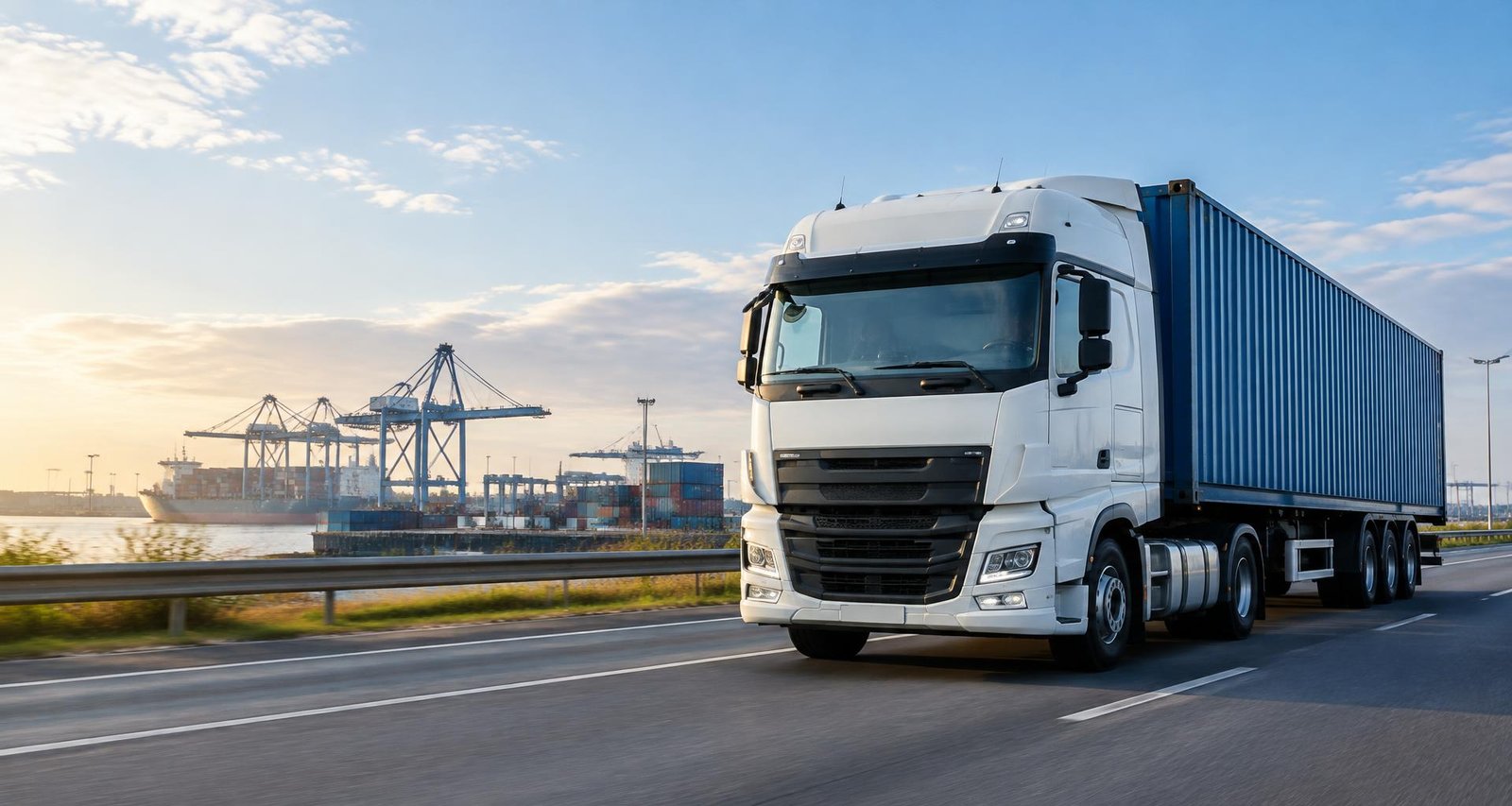
Semi truck with a container trailer driving on an open highway
Land Freight at MZ Global

A clear route starts with the right details

Road freight connects the places where your business works. Planning it well begins with understanding what needs to move and what each location requires.

At MZ Global Logistics & Transportation, we help businesses coordinate land freight around the needs of each shipment. Cargo size, collection arrangements and delivery access all shape the discussion before a proposed road movement can be assessed.

A palletised shipment, a bulky item and a load with specific handling instructions can call for very different preparation. We focus on gathering accurate information, clarifying responsibilities and identifying the questions that matter to the proposed journey.

Whether road transport is the main leg or connects with an ocean or air shipment, our approach brings the pickup, route and receiving requirements into the same conversation. That gives you a more useful basis for reviewing options and agreeing the next steps.

Shipment considerations

The details that shape your plan

The road journey is only part of the plan. Collection conditions, cargo handling and the receiving site deserve equal attention.

Cargo dimensions and weight

Share the number of pieces, packed dimensions and gross weight, including pallets or crates. Note whether items can be stacked, how weight is distributed and any special handling instructions. These details inform discussions about suitable transport arrangements.

Pickup and delivery locations

Provide complete addresses, site contacts and preferred collection or receiving windows. Discuss access restrictions, booking requirements and whether each location can accommodate the proposed vehicle before arrangements are agreed.

Loading and unloading requirements

Explain how cargo will be loaded and unloaded, what equipment is available and who is responsible at each end. Heavy, fragile or unusually shaped items should be flagged early so handling questions can be reviewed rather than left to collection day.

Road-route planning

The proposed route needs to be considered alongside cargo characteristics, site access and timing priorities. Where a border crossing forms part of the journey, documentation and applicable requirements are topics to clarify with the relevant parties.

Our coordination approach

Coordination from collection to receiving

Useful road freight coordination starts with a shared understanding of the load and the two ends of the journey. We discuss collection readiness, receiving arrangements and any dependencies on other transport legs, so the proposed plan reflects the actual shipment rather than assumptions.

We help organise the information that needs to be discussed with the parties involved. Open questions about loading, access or timing are made explicit; changes to cargo details or delivery instructions should be raised before arrangements are finalised. Clear communication keeps the planning conversation practical.

Site requirements in view

Collection and receiving details are considered together, including contacts, access and available handling equipment.

A joined-up freight conversation

When road freight connects to another mode, cargo readiness and handover requirements are discussed as part of the wider plan.

From enquiry to a considered plan

Four steps to a clearer conversation

A structured starting point, with your shipment requirements at the centre.

  1. Describe the load

    Send your cargo description, piece count, packed dimensions, weight and any handling requirements.

  2. Clarify both locations

    Share pickup and delivery addresses, site contacts, access conditions and the timing you would like to discuss.

  3. Review the proposed plan

    Discuss road-route considerations, loading responsibilities and outstanding questions before choosing an approach.

  4. Agree the next steps

    Confirm the information, responsibilities and communication arrangements needed to progress your enquiry.

Helpful answers

Land Freight FAQs

Practical points to consider before your enquiry. For questions about a specific shipment, share the details with our team.

Discuss your shipment
What information should I include in a land freight enquiry?

Include the cargo description, number of pieces, gross weight and packed dimensions, plus pickup and delivery addresses. Add preferred dates, site contacts, loading equipment and any access restrictions. If a detail is not yet known, tell us what still needs to be confirmed.

Why do loading and unloading arrangements matter?

Transport planning needs to account for how goods get onto and off the vehicle. A forklift, loading bay or other equipment may be relevant, depending on the cargo. Tell us what each site can provide and who will take responsibility so suitable arrangements can be discussed.

Can road freight form part of a sea or air shipment?

Road transport can be a connecting leg between a business location and a port or airport. Share the wider journey and any handover requirements so the relationship between collection, cargo readiness and the other transport leg can be reviewed. The arrangements depend on the specific shipment.

How are timing requirements assessed?

We start with your preferred collection and receiving windows, then discuss the proposed route and site requirements. Timing is subject to the arrangements available and the conditions of the journey; an enquiry is not a guaranteed delivery commitment.

Let’s talk about your shipment

Let’s plan your next road shipment

Share your cargo details, pickup and delivery locations, and loading requirements. Start a practical conversation about a land freight plan that reflects your business needs.

Request a Quote